You can find plenty written about what the medicine feels like. Harder to picture is the container around it — the preparation, the hours in the room, and the weeks afterward when the work is still moving. Here is how a psychedelic retreat is built, and how we build ours outside Austin.
A psychedelic retreat is a container. The medicine session is a few hours; the retreat is everything built around it. Here that medicine is ceremonial ketamine, which in 2026 is the only medicine of this kind a clinician in Texas can legally offer you.
Whatever medicine sits at the center of it, a psychedelic therapy retreat is assembled from four parts. Ours runs five days at AWKN Ranch outside Austin. Here is what each part is doing:
Those four parts are the shape of the thing. Dates, the day-by-day schedule, and current rates live on our 5 Day Reset Retreat page.
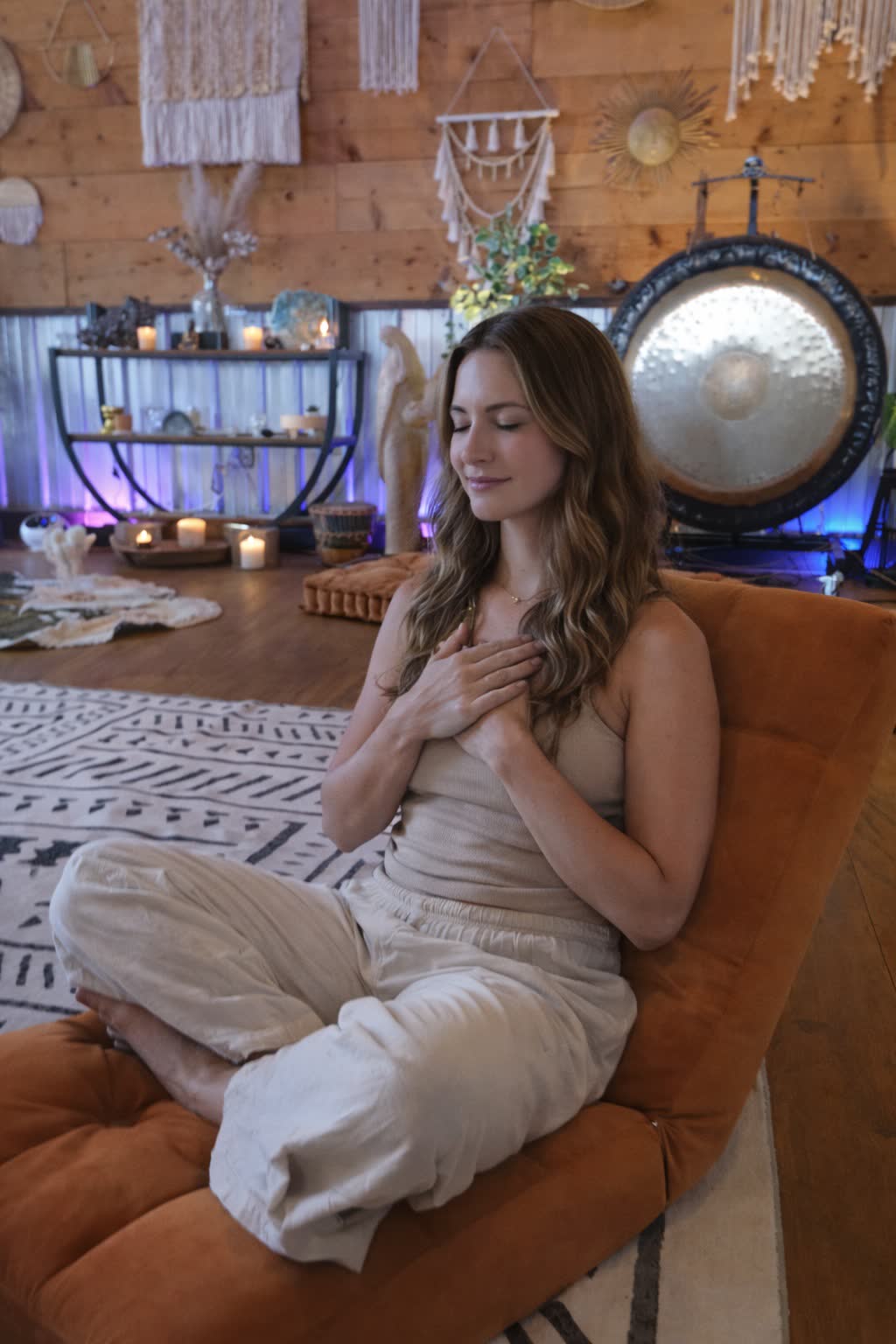
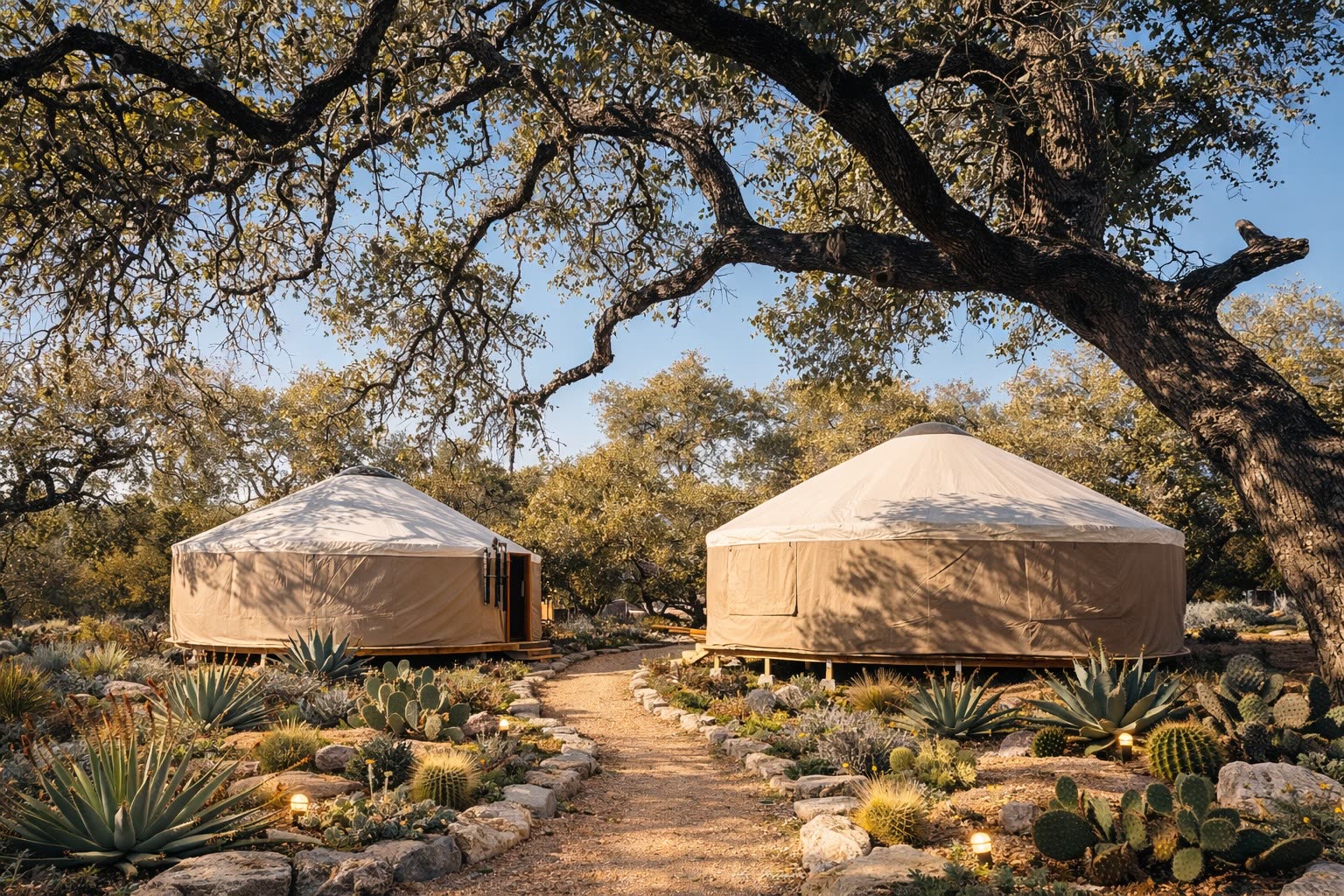
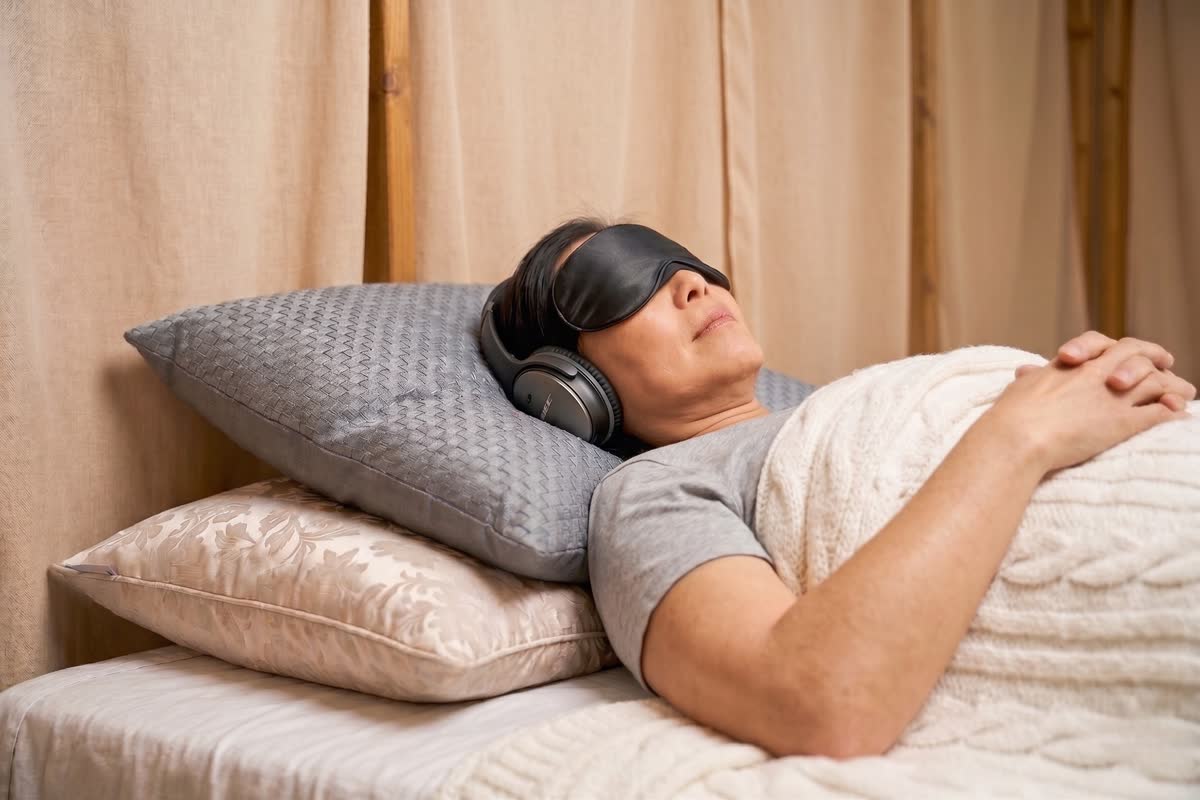
A ceremony has a shape. There is the settling beforehand, the rise, a long middle where your ordinary vantage point goes quiet, and a landing that takes its own time. It is held in a ceremonial yurt or in the dome, and it runs in hours, not minutes.
For most of that stretch nothing visible is happening, and that is the point. Your guide is there to keep the room safe enough that you do not have to manage any part of it: watching your breathing, moving the music as the arc turns, staying silent for long spells, and being immediately present the moment you surface wanting to speak. A clinician is on site throughout. Before you sleep that night you say aloud whatever you can still reach, because that first pass is usually what the next day of integration is built on.
Weighing a single ceremony closer to town instead of a week on the land? Our psychedelic therapy in Austin page covers the day-visit format. Arriving with a diagnosis already behind you, whether depression, PTSD, or anxiety that outlasted weekly appointments? The screening and safety questions are answered on our mental health retreat in Texas page.
What the Medicine Does to the BrainYou arrived here with a name already in mind. Here is the legal picture for each in 2026, and where ceremonial ketamine sits among them.
Adults can take it under supervision in Oregon and Colorado, and a handful of cities have stopped prosecuting possession, but the FDA has approved nothing and Texas offers no lawful route. Suited to people who can travel for one long, cathartic session.
Compare the medicines →The FDA turned down MDMA-assisted therapy in 2024, so the only lawful way to receive it is inside a research protocol. Its trauma evidence is the strongest in the category, which is why people keep asking and why that decision landed hard.
Trauma work here →Both sit on Schedule I here outside a narrow religious exemption, which is why seekers end up boarding a plane. What gets traded away in that trip is medical screening, regulation, and anyone to call in the weeks after.
The legal alternative →Federally illegal in the United States, and the one medicine on this list built around opioid dependence. It carries genuine cardiac risk and demands screening no informal setting can supply, so the clinics offering it sit outside the country.
Recovery support here →Legal, FDA-approved, and prescribed here by board-certified physicians. It is also the mildest door in this category. Where a classical psychedelic can take the self apart, ketamine tends to set you a step to the side of it, which is what makes two ceremonies in one week manageable.
What we practice →Psilocybin, MDMA, DMT, and ibogaine are Schedule I under federal law and may only be administered inside an approved trial. Within Center does not provide them. Ketamine is the one medicine in this category we can lawfully hold, and it is the one we practice.
Read the full FAQ →We run both. The difference is not the medicine, it is what happens in the days after it. And if ceremony is not what you want at the middle of the week, a wellness retreat in Texas is the version of this week with no ceremony in it.
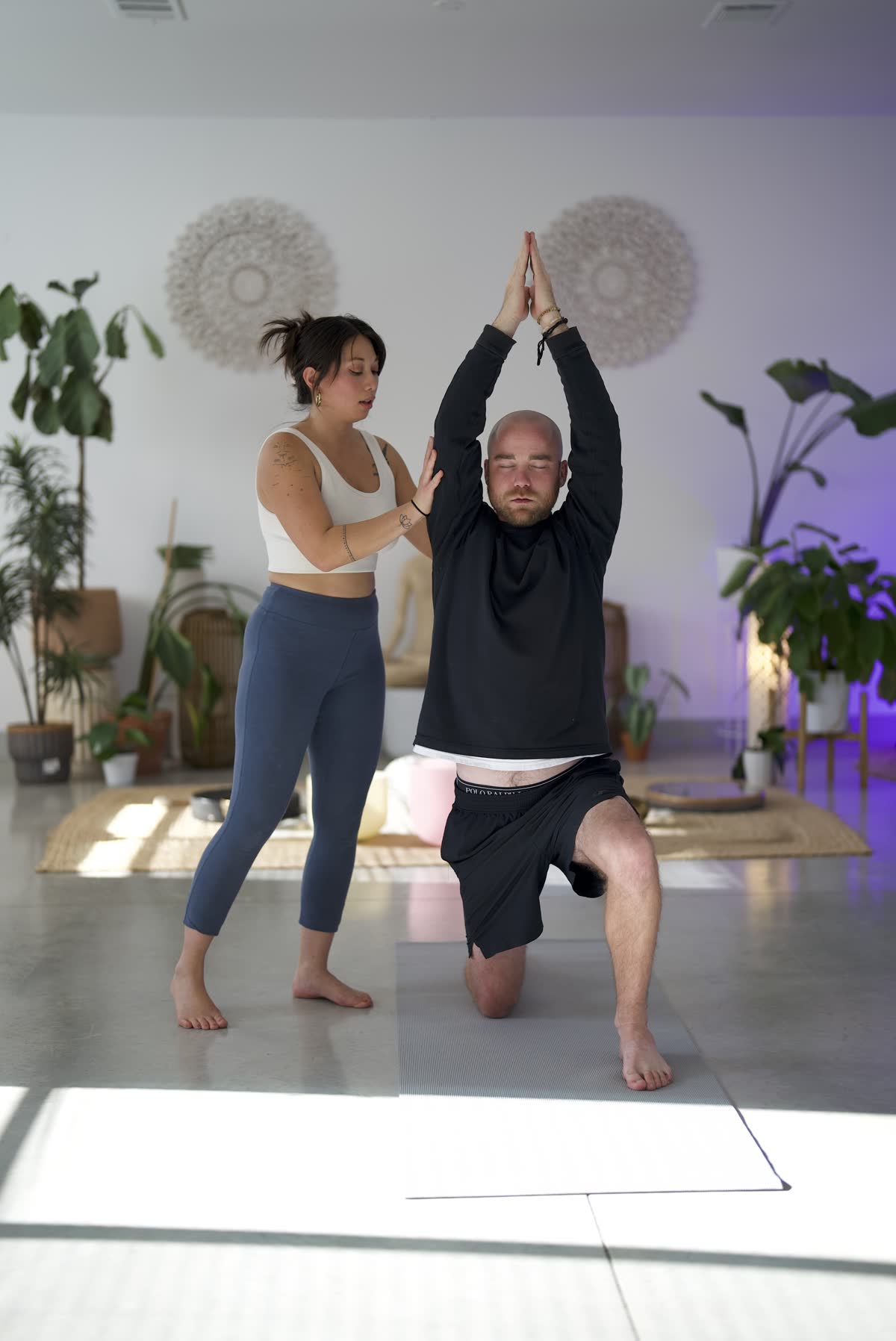
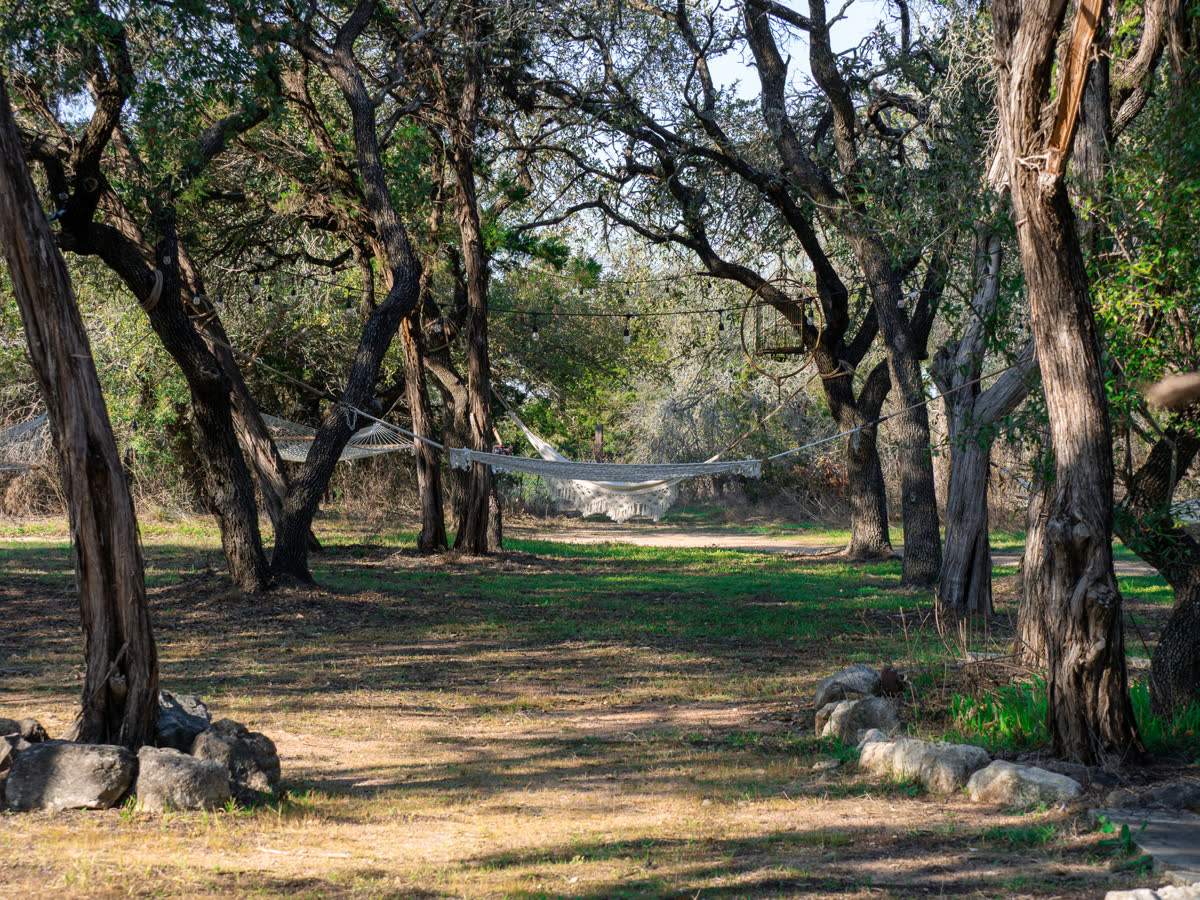
Here is where those four parts live: five days on the land at AWKN Ranch, all-inclusive, arriving Sunday and leaving Thursday. We will help you decide whether it fits during your free consultation.
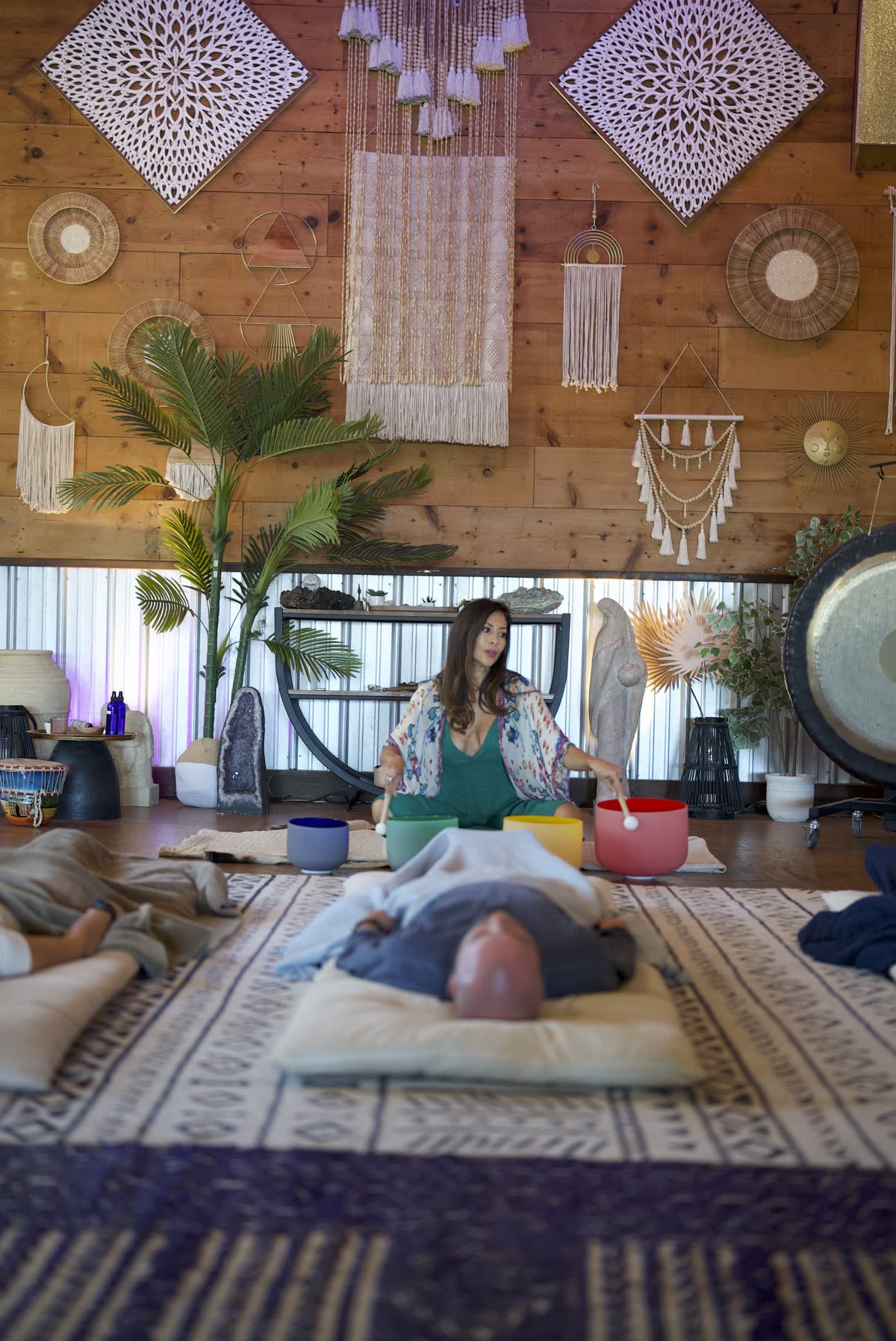
Ceremonial space, integration rooms, movement, sound, and twelve quiet acres outside Austin.
It is legal and FDA-approved, which leads people to assume it is something milder. At ceremonial doses it produces a genuinely non-ordinary state, and the therapeutic qualities people go looking for in psilocybin or MDMA are present in it. The character differs: less dissolving of the self, more distance from it. Held with intention, preparation, music, and a skilled guide, this is psychedelic work.
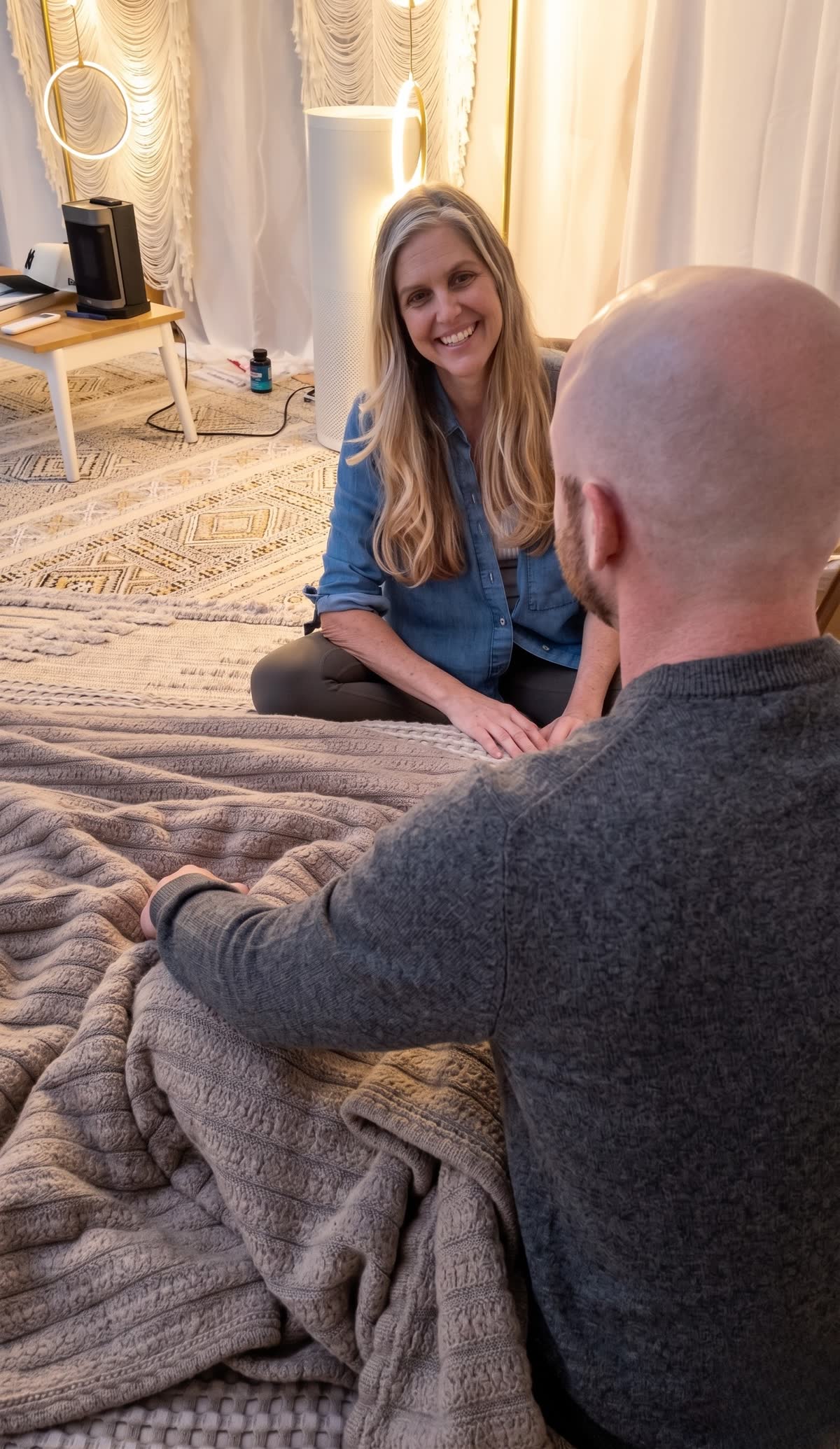
For days to a few weeks after a session the brain stays unusually plastic: new connections form quickly and long-set ones loosen. Integration is what you deliberately do inside that window, including coaching, journaling, group circles, sleep, and time outdoors. The medicine opens something; what you carry through it is what gets kept. That window is why this runs five days rather than one.
Spravato is a nasal-spray esketamine given in 30-40 minute clinic visits, and IV infusions run on the same clock: brief sessions, a clinical setting, no ceremonial frame around them. What we hold is the same drug family in a different container, across five days, with integration coaching built in.
Not directly. Ceremonial ketamine therapy is currently a private-pay service across the United States. We can provide a superbill for out-of-network reimbursement on some elements (medical visits), and many clients use HSA/FSA funds.
Tell us what you have been reading and what you are hoping the medicine will reach. The consultation is free, and we listen before we recommend anything.